
Pokémon Card Condition: Mint, Near Mint, Excellent Explained
Pokémon card condition is graded on a scale from Mint (perfect) to Poor (badly damaged). On Cardmarket, a widely used marketplace in Europe, the scale has seven conditions: Mint, Near Mint, Excellent, Good, Light Played, Played and Poor.
In short
- Near Mint means almost perfect: the condition collectors look for.
- Corners, edges, surface and centering decide the condition.
- Judge a card out of its sleeve, under strong light.
- When in doubt, pick the lower condition.
- Dust and fingerprints are not wear: they come off.
The condition scale, from Mint to Poor
| Condition | Code | What you see |
|---|---|---|
| Mint | MT | No flaws at all, even up close. |
| Near Mint | NM | Almost perfect. One or two tiny flaws, visible only up close. |
| Excellent | EX | Small visible flaws: a little white on the edges, a light scratch. |
| Good | GD | Clear wear: rounded corners, white edges, visible scratches. |
| Light Played | LP | A played card: general wear, possible small creases. |
| Played | PL | Heavy wear, creases, marks. |
| Poor | PO | Badly damaged: tear, deep crease, water damage, writing. |
These are short descriptions. Before selling, read the platform’s official scale: that is the one that counts. US sites often use another scale: Near Mint, Lightly Played, Moderately Played, Heavily Played and Damaged.
Judge your card’s condition in 6 points
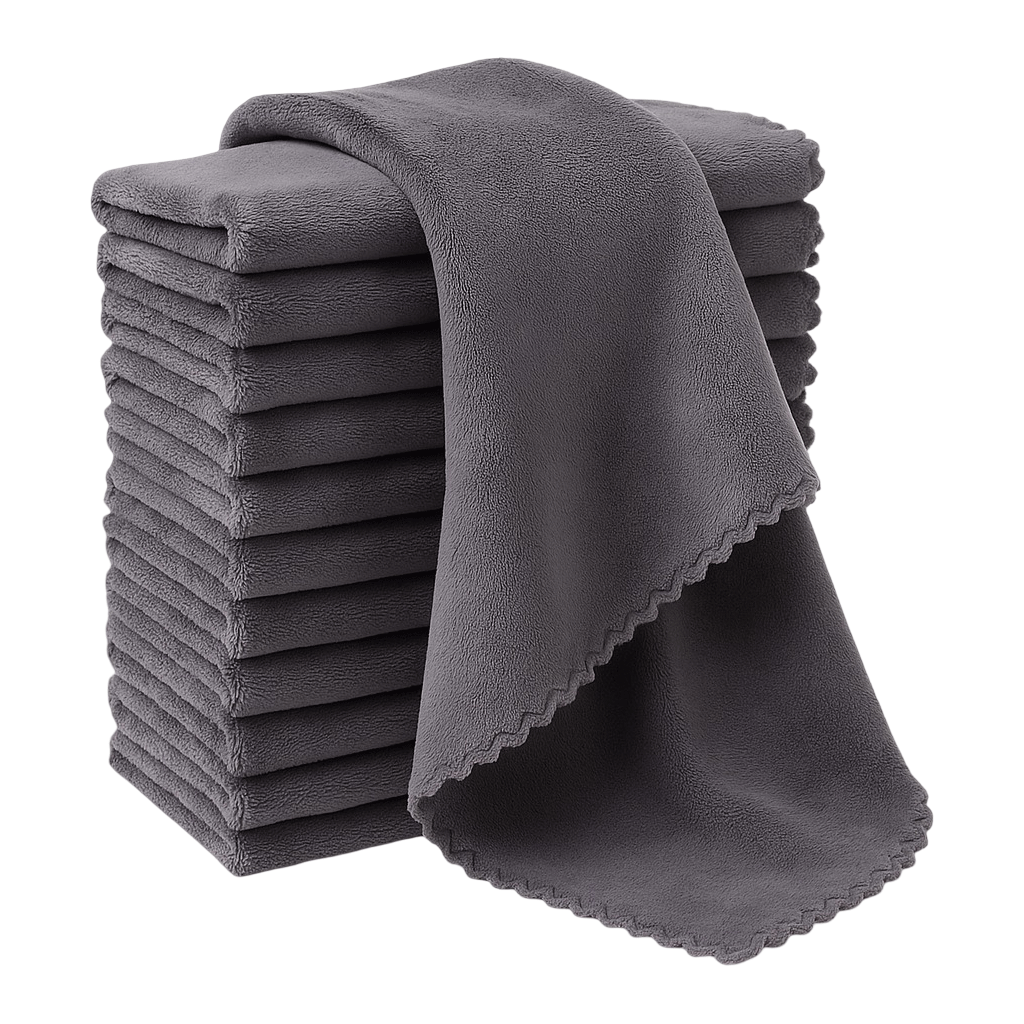
- Get ready. Clean, dry hands, a soft surface and strong light. Take the card out of its sleeve. Remove dust first with an ultra-soft microfibre cloth: a speck of dust can look like a flaw.
- Corners. Are they sharp? A rounded or white corner costs you a condition.
- Edges. Look for small white dots along the edges of the back.
- Surface. Tilt the card under the light. Scratches, scuffs and dents show up, especially on the holo.
- Centering. Compare the left and right borders, then top and bottom.
- Flatness and back. Lay the card flat. Then check the back: it counts as much as the front.
The final condition is the one of the worst area. A perfect card with one white corner is no longer Mint.
Sale condition and PSA grade: two different things
Near Mint is the seller’s judgement. PSA, CGC or PCA give a grade from 1 to 10 after an expert inspection. A Near Mint card will not automatically get a 9 or a 10. To estimate a grade before you submit, read our pre-grading guide.
Mistakes to avoid
- Judging the card in its sleeve. The plastic hides scratches.
- Judging in weak light. Surface flaws stay invisible.
- Forgetting the back. Edge whitening shows there first.
- Confusing dirt with wear. A fingerprint comes off with gentle cleaning; a white corner stays.
- Overrating the condition. It is the first cause of disputes between buyers and sellers.
- Rubbing hard to “gain” a condition. You risk scratching the surface.
Keeping a card Near Mint
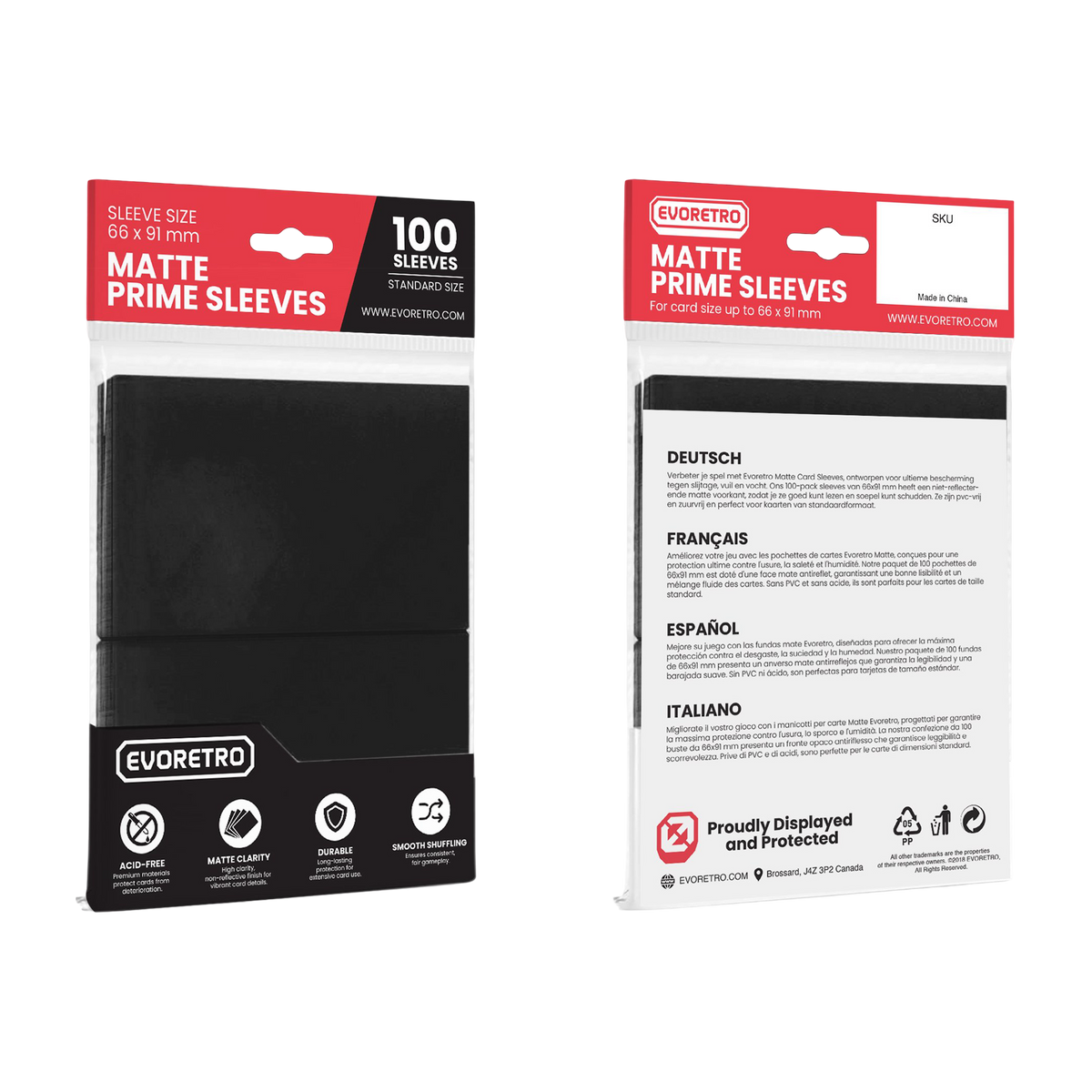
Sleeve the card as soon as you open the booster, then put it in a toploader. Store it away from light and humidity. To remove dust and marks safely, use Restore+ cleaning spray and the microfibre cloth. Everything is together in the Pokémon card restoration kit and in our Pokémon card cleaning and restoration collection. To find out what your card is worth, read how to check Pokémon card value.
Frequently asked questions
What does Near Mint mean for a Pokémon card?
Near Mint (NM) means almost perfect. The card has at most one or two tiny flaws, visible only up close.
What is the difference between Mint and Near Mint?
A Mint card has no flaws. A Near Mint card has one or two very small ones.
Is a card straight from a booster always Mint?
No. A new card can be off-centre or have a print defect. Always look at it closely.
Is Excellent a good condition?
Yes, for a binder card. But the flaws are visible, and the price is lower than Near Mint.
Does cleaning change a card’s condition?
Removing dust improves the look, not the wear. A white corner or a scratch stays. Some treatments even count as alterations: read does restoring a card lower its value?